
Fresh green chilli can go by air or by container. The product is the same, but the packing, the lot size and the economics are not. Here is how each works, based on our own October 2026 air consignment of G4 chilli to Dubai and on standard container packing.
Who is air freight for?
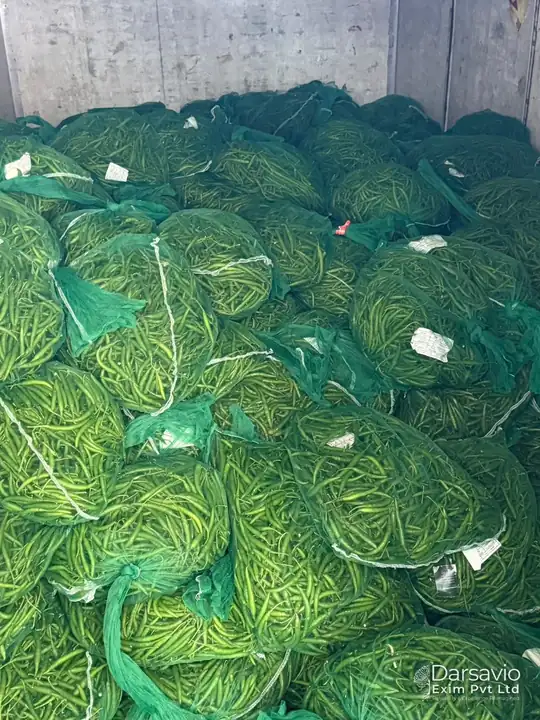
Air suits small lots and speed. Our October consignment was 500 bags of 3 kg, 1,500 kg in all. It was dispatched on 16 October, flew for about five hours and arrived in Dubai the next day. When freshness and timing matter more than anything else, and the quantity is small, air is the tool. You can read the whole story in our short update on that shipment.
How is chilli packed for air?
In breathable mesh bags of 3 kg, each bag weighed and labelled so every lot can be traced. The mesh lets the chilli breathe, and the small bag keeps the load easy to handle and check.

Who is a container for?
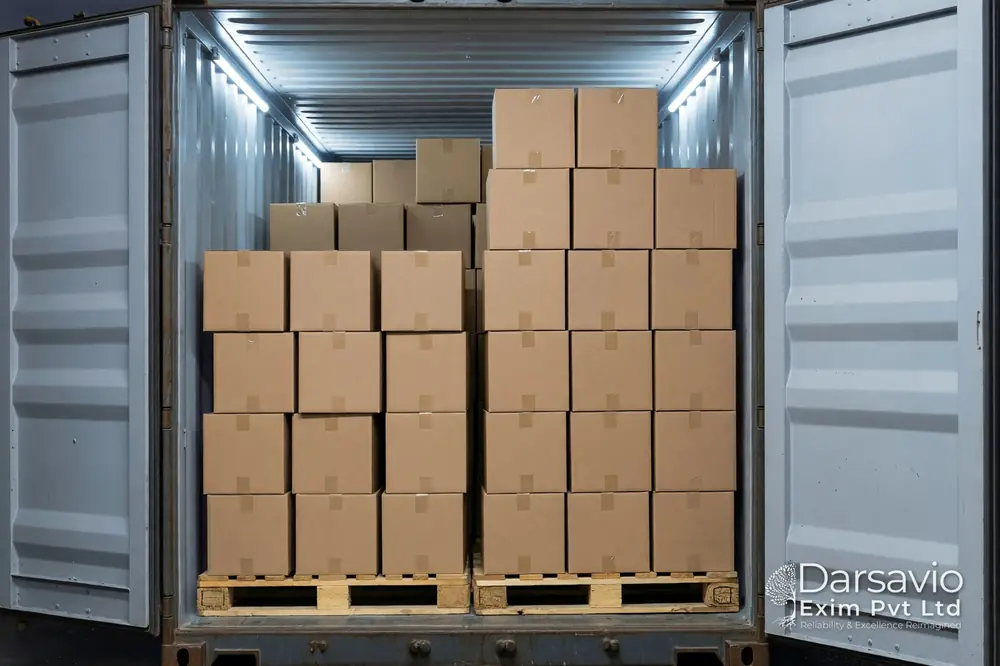
A container suits larger volumes. The goods go palletised inside the container instead of bag by bag in a hold, so the same shipment is packed in a different way and bought in a different quantity.
How is chilli packed for a container?
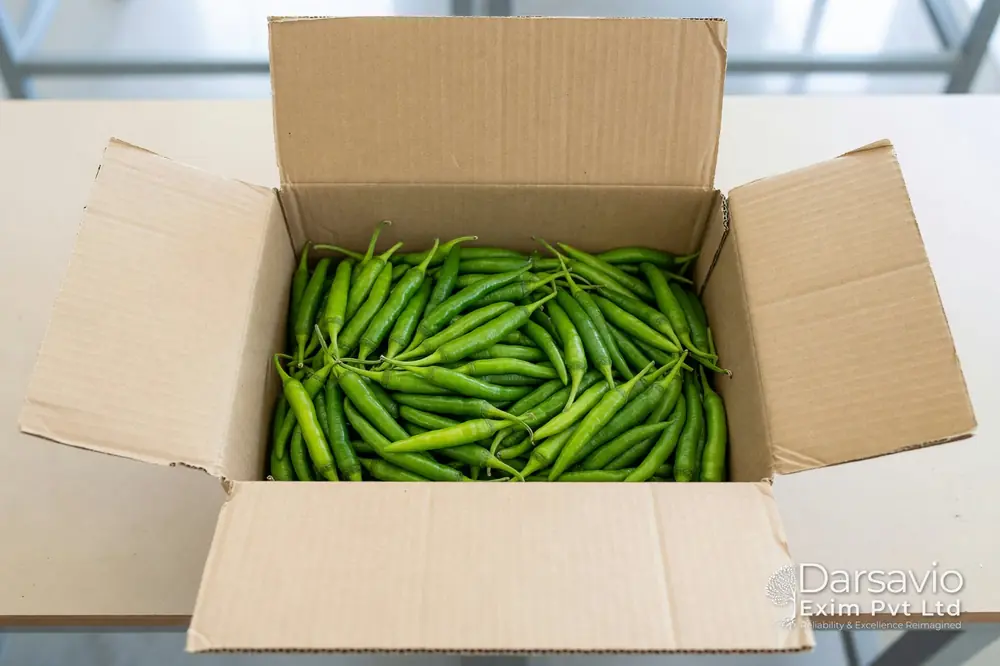
The standard pack for a container is a corrugated carton holding 3.8 kg net, 4.2 kg gross, loaded on pallets. Cartons come in 5-ply or 3-ply board. Ply is the number of paper layers in the board: 5-ply is the stronger, stiffer choice and copes better with stacking and handling, while 3-ply is lighter and thinner. Which to use depends on the stack height, the transit and what the buyer specifies.
The two pictures below are illustrative. They show a standard carton pack and a container load, and they are not our shipment. This section describes how container packing works.
Why does the costing differ between air and container?
Because the purchase quantity is low on an air consignment. A small lot is bought, packed and flown, and the cost of each step is spread over little product. Container volumes are larger, so the same steps are spread over much more. We are not giving figures here, because rates move, but the principle holds on every order we price.
Which is more profitable?
Plainly: air shipment is lower in profit than container shipment. Air is for speed and small lots. A container is where the margin is. A buyer should know this, because it explains why an exporter will often push for a larger order sent by container, and why a small, urgent air lot is priced the way it is.
What documents does each mode need?
The core set is the same. A phytosanitary certificate for each consignment, a commercial invoice and a packing list, with the shipping bill filed through ICEGATE. The transport document differs: an air waybill for air, a bill of lading for a container. Ask which documents come with the shipment before you agree to it.
What should you ask your exporter?
- Which packing do you use for this mode, and what is the exact weight per bag or carton?
- Is every bag or carton labelled so the lot can be traced?
- Which documents come with each consignment?
- How long is the product in transit, and how is it handled at each end?
- Can you show photos or video of the packing and loading?
Which should you choose?
Choose air for a small, urgent lot where speed and freshness decide the sale. Choose a container when the volume justifies it and the margin matters, and talk to your exporter first about the carton specification, because that is what the buyer's market will check. If you are not sure how a container order is structured, our guide to FCL and LCL for small orders explains the load sizes.
For the product itself, see our G4 green chilli page and the G4 export guide, or send us an enquiry.
— Darsavio EXIM